
Neve Kelley
Talk Show Production AssistantNeve Kelley is IPR's talk show production assistant. She recently graduated from Oberlin College, where she studied English, environmental studies, writing and communication. She is originally from Peoria, Illinois. She uses her passion for community-centered storytelling to showcase the people, culture and arts that shape Iowa. Some of her favorite things to do in Iowa include going to shows at Codfish Hollow and the Englert, visiting different coffee shops and taking yoga classes.
-
 Thousands of monarch butterflies are finishing their annual migration to Mexico. On this episode, Samantha McIntosh sits in for Charity Nebbe. We talk with Mykayla Hagaman of the Iowa Monarch Conservation Consortium, who gives us an update on Iowa's monarch population. Then, Laura Iles of Iowa State University Integrated Pest Management and Extension Horticulturist Aaron Steil join us to answer your questions.
 -
 Mykayla Hagaman of the Iowa Monarch Conservation Consortium gives us an update on the annual monarch butterfly migration.
 -
 Violent crime in America has fallen dramatically since the 1990s. On this episode, we find out why. First, we hear from Amber Sheppard, who went from prison to helping others rebuild their lives. Then, we talk with University of Iowa researchers Jason Robey and Mark Berg about theories behind the great crime decline. We also hear from Polk County Sgt. Brittany Worrall about the launch of a new inmate enrichment program that reduced violence among inmates and recidivism in other jails.
 -
On this episode, analysis of the sole 1st District debate between Republican Rep. Miller-Meeks and Democratic challenger Christina Bohannon held this week from Kelly Winfrey of Iowa State University and Sara Mitchell of the University of Iowa. We also discuss President Trump's upcoming Sioux City rally and $8 billion plan to cover farm losses, actor Martin Sheen's plea in Des Moines to revive USAID and more.
-
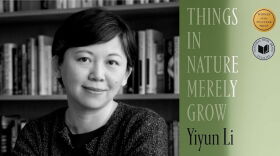 Iowa Writers’ Workshop graduate Yiyun Li is headlining the University of Iowa’s Literary Legends event Oct. 23 in conjunction with the Iowa City Book Festival.
 -
A conversation with 2026 World Food Prize Laureate Huub Lelieveld. Lelieveld is a Dutch food scientist who was awarded the World Food Prize for helping prevent millions of cases of foodborne illness. He has been recognized for marshaling a movement across 113 countries to deliver the scientific evidence for modern food safety regulations, legislation and standards that safeguard the world’s food supply.
-
Sixty years ago, the National Historic Preservation Act was signed into law, establishing a partnership and preservation ethic on historic properties between the federal government and state, tribal, and local governments. The U.S. Senate is now looking to change that framework in a permitting reform bill that was introduced on September 30 and is scheduled for a vote on November 9. Proponents of the bill say it’s designed to expedite projects, but stakeholders say it infringes on tribal and state rights and could lead to litigation and other roadblocks.
-
Now that it feels like fall, it's time to grapple with reality. On this Horticulture Day episode, Iowa State University horticulture professor Jeff Iles tells us how to prepare our woody landscape plants for cold weather and hungry critters. Then extension horticulture specialist Aaron Steil joins us, and he and Jeff answer listener questions.
-
On this episode, Iowa State University horticulture professor Jeff Iles tells us how to prepare our woody landscape plants for cold weather and hungry critters.
-
Twenty days before Election Day, campaigns are making their closing arguments. On this Politics Day episode, we get analysis from Jonathan Hassid of Iowa State University and Wayne Moyer of Grinnell College.


