

Ben Kieffer
River to River HostExpertise: Interviewing, news and politics, scientific research, history and literature, all in order to help IPR listeners and readers better understand, appreciate and explore their state
Education: Bachelors degree from the University of Iowa
Favorite Iowa Destination: Anywhere where there's swimming, hiking or biking!
Experience:
- Has served as a talk show and podcast host for IPR and WSUI/KSUI
- Has been the host of River to River since 2007
- Hosted IPR's weekly live music/talk show Java Blend from 2000 to 2017
- Is a multi-award-winning host and reporter
- Has created and hosted many regular segments and series, including "Leaving Afghanistan," a series of interviews with US veterans of the Afghanistan War, "Politics Wednesday," "Big Brain," a talk show that tackled life's little questions, "News Buzz" and "Groove into the Weekend"
- Has interviewed major political candidates and elected leaders, including former US Ambassador to China Terry Branstad, former Agriculture Secretary Tom Vilsack, Iowa Gov. Kim Reynolds, former U.S. Sen. Tom Harkin, Sen. Chuck Grassley, Sen. Joni Ernst, former US Secretary of State Hillary Clinton and former Vice President Kamala Harris, among others
- Worked in Europe for more than a decade as a journalist, translator and consultant
- Reported firsthand in 1989 on the fall of the Berlin Wall and from Prague on the Velvet Revolution
- Hosted a weekly radio magazine about European politics, science and culture, carried by public radio stations across North America from 1990 - 1993
- Serves as an adjunct faculty member at the University of Iowa, teaching courses on interviewing techniques, radio journalism, politics and storytelling
- First started in public radio in the mid-1980s as a student announcer on WSUI
Contact Ben at bkieffer@iowapublicradio.org.
My Latest Stories
-
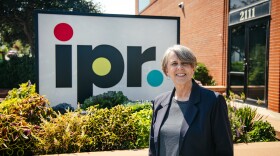 Myrna Johnson steered IPR through the pandemic, the transition to an independent nonprofit and through the loss of federal funding from the Corporation for Public Broadcasting.
 -
 The Archdiocese of Dubuque is ending weekend Mass at 76 of its 160 parishes. The Journey in Faith initiative aims to create a sustainable future for the archdiocese, which is facing a decline in Mass attendance.
 -
 Plenty of kids dream of being an astronaut and exploring space. These Iowans landed their far-out jobs working with NASA and being involved with the Orion Artemis II mission.


My Latest Podcasts
-
 Republicans and Democrats aren't the only choices on Iowa ballots. On this episode, we check in with third party and independent candidates. We talk with Libertarian candidate for U.S. Senate Thomas Laehn as well as three U.S. House candidates — Libertarian Rick Stewart and independent Dave Bushaw in the 2nd District, and independent Michael Bridgford in the 1st District. We discuss what it means to be running for office against the two-party system and many of the top issues on voters' minds.
 -
Twenty days before Election Day, campaigns are making their closing arguments. On this Politics Day episode, we get analysis from Jonathan Hassid of Iowa State University and Wayne Moyer of Grinnell College.
-
On this episode, we discuss religious freedom ahead of the Iowa Religious Freedom Day symposium at Iowa State University. The symposium will explore religious freedom through the lens of constitutional law.
