

Natalie Dunlap
/
Iowa Public Radio
Audiences across the political spectrum used to consume the same basic set of facts from the major news networks. Today, political slants in coverage and individualized algorithms have Americans debating completely different realities.

Rachel Cramer
/
Iowa Public Radio

Madeleine King
/
Iowa Public Radio
-
 Democrat Lindsay James and Republican Joe Mitchell debated in Cedar Rapids on Thursday. The candidates are competing to represent northeast Iowa in the U.S. House of Representatives.
 -
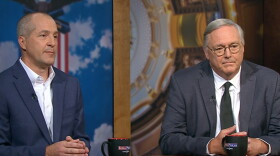 Incumbent Republican Mike Naig and Democrat Chris Jones disagreed on policies related to ethanol and the state’s approach to reducing nutrient pollution during an appearance on 'Iowa Press.' But both see opportunities for more grass-fed cattle in Iowa.
 -
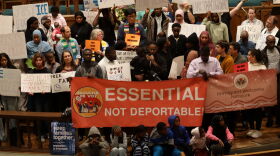 Fatou Traore, an Ivory Coast native who has legally been living in Iowa City for two decades, faces imminent deportation to Sierra Leone. Supporters rallied Wednesday night calling for her release, and U.S. Rep. Mariannette Miller-Meeks sent a personal letter to the head of Homeland Security asking for a stay on the deportation order.


-
 Data center development is expanding rapidly across the state due to Iowa’s cheap land and energy. Local governments have limited power when faced with development. Should they be the ones making big decisions for Iowa communities?
 -
 Republican Chris McGowan and Democrat Dave Dawson disagreed on several issues but also found common ground during their first major debate of the election cycle, hosted by KTIV in Sioux City.
 -
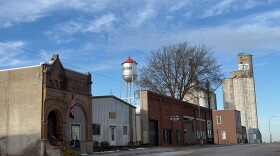 The sense of belonging and connection in rural towns has wavered as people travel further for jobs, schools, hospitals and more.


-
 Iowa HHS plans to transition the state’s public health system into a regional model by 2028. The move will shift the oversight of funds for each county to a lead entity in each region. Public health officials are warning the new system will leave gaps in services for residents.
 -
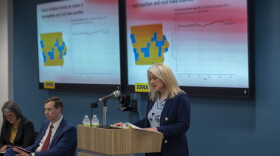 The first year of a state-funded study found 76% of excessive cancer cases in Iowa's top five cancers could be explained from some demographic and behavioral risk factors.
 -
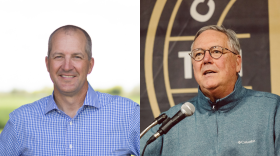 Iowa’s water quality has been a major focus in the run-up to electing the state’s next secretary of agriculture. The two candidates believe in different approaches — with Democrat Chris Jones proposing more regulations and incumbent Republican Mike Naig strongly opposed, saying it would hurt small- and medium-sized farmers.


