

Camilo Rueda López
/
Unsplash
Iowans on the state's Medicaid expansion program will need to prove they are working or participating in other activities starting Dec. 1.

Chris Machian
/
KFF Health News

Isabella Luu
/
Iowa Public Radio
-
 The candidates found common ground on mental healthcare, water quality and government accountability, but offered different approaches to Medicaid, education and state spending.
-
 The Trump administration’s wide-ranging One Big Beautiful Bill Act includes several changes to Medicaid eligibility requirements. One change that took effect on Oct. 1 bars anyone without a green card from being eligible for coverage.
-
 It's been a decade since Iowa privatized its Medicaid system under Gov. Terry Branstad, but the move has been controversial and the system's future has become an issue in this year's competitive gubernatorial election.


-
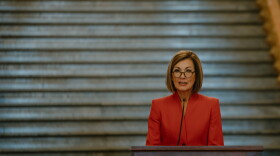 Gov. Kim Reynolds signed a bill into law Thursday that raises the tax on HMO health insurance plans to generate more money for Iowa’s Medicaid program. Democrats say the tax hike will raise some Iowans' health insurance premiums.
-
 A tax hike on HMO health insurance plans that would raise money to help the state pay for Medicaid has advanced through committees in the Iowa House and Senate. Insurance and business group lobbyists criticized the proposal, saying it would raise health care costs for Iowans.
-
 Some Iowans with disabilities are pushing lawmakers to remove income and asset caps from a special Medicaid program that allows them to work. But recent reductions to spending for Medicaid at the federal level may be giving lawmakers pause.


-
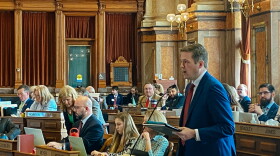 Mothers and infants in the U.S. without legal status and some lawfully present immigrants would be barred from food assistance under a bill that passed the Iowa House Tuesday. The bill would also expand Medicaid eligibility for employed people with disabilities.
-
 A bill that would make several changes to public assistance programs advanced through an Iowa House subcommittee Wednesday over the objections of people who said it would result in more babies going hungry.
-
 The One Big Beautiful Bill includes sweeping changes to Medicaid, and is estimated by the Congressional Budget Office to increase the number of people uninsured by 10 million. We hear from Des Moines resident who insured by Medicaid about what these changes could mean for him, including new work requirements. Then, we hear more about how this overhaul will impact Iowans from UI professor and Rural Policy Research Director Keith Mueller. We also talk with a rural hospital administrator about how they expect to lose millions of dollars annually due to these changes, and we hear from a rural Emergency Medical Services responder on how this could widen the financial deficit they already face when providing care to Medicaid patients.


