

Gavin McGough
/
Iowa Public Radio
A new outdoor climbing area in Jackson County is the first of its scale to open in the state in more than a decade. Volunteers passionate about opening more access to climbing in Iowa developed the site earlier this summer.


-
 A report from the Iowa DNR shows Iowa had 36 nitrate-related drinking water violations in 2025, which is more than double the number reported in 2024.
 -
 The Iowa Bumble Bee Atlas is looking for volunteers to net bumblebees and collect data that could help conserve the native pollinators. Organizers of the statewide community science project are hosting three field day trainings this month.
 -
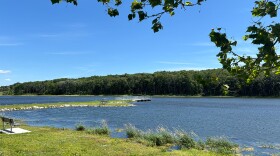 Casey Lake is one of the latest to benefit from the state's Lake Restoration Program, which is marking 20 years of addressing water quality issues at recreation sites across Iowa.


-
 Every week on trash day, truckloads of waste are hauled off to three dozen landfills across the state. But some Iowa landfills are nearing the end of their lifespans, prompting communities to look elsewhere.
 -
 According to new DNR reports, raptor surveyors and volunteers documented 58 osprey fledglings and 28 peregrine falcon fledglings in 2025. The positive numbers stem from years-long restoration efforts in Iowa.
 -
 The Iowa Department of Natural Resources is recommending a 5% increase in hunting, fishing and trapping license fees to keep pace with inflation and increasing costs. License fees go to the state's Fish and Wildlife Trust Fund.


-
 The central Iowa community of Perry officially opened a $30 million treatment plant that helps meet the state’s goals to reduce pollution from wastewater. City officials said it also increases their capacity to attract new companies and accommodate residential growth.
 -
 A fertilizer spill killed hundreds of thousands of fish in southwest Iowa last year. Now, a group of locals are building a network of citizen scientists and advocates for clean water.
 -
 Beaches at two dozen state parks and recreation areas had at least one "swimming not recommended" advisory this summer because of high E. coli levels. Years-long efforts at the Iowa DNR aim to pinpoint potential sources, better understand the health risks for beachgoers and find solutions.


